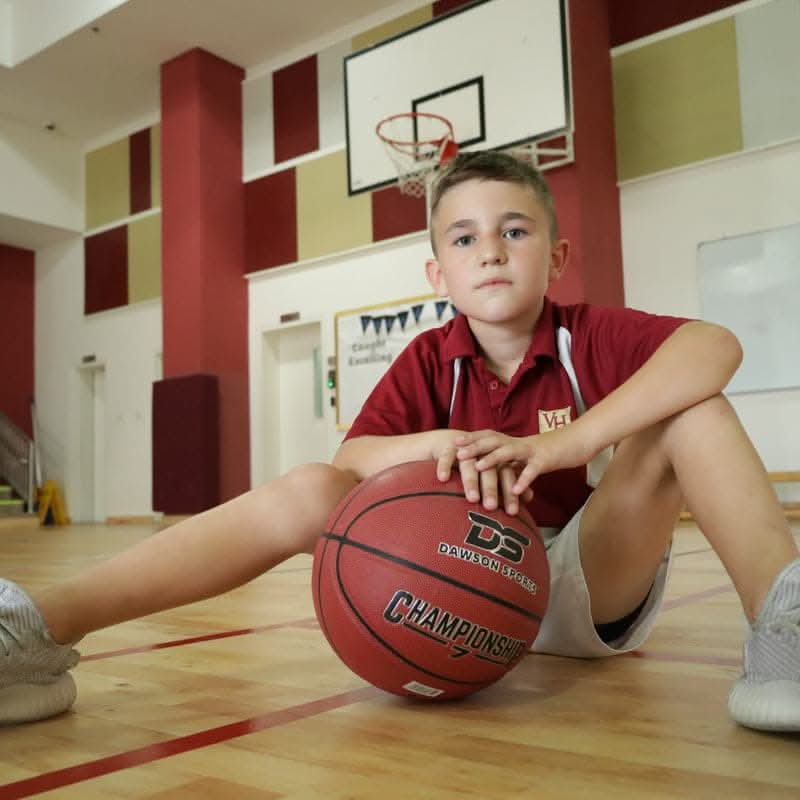
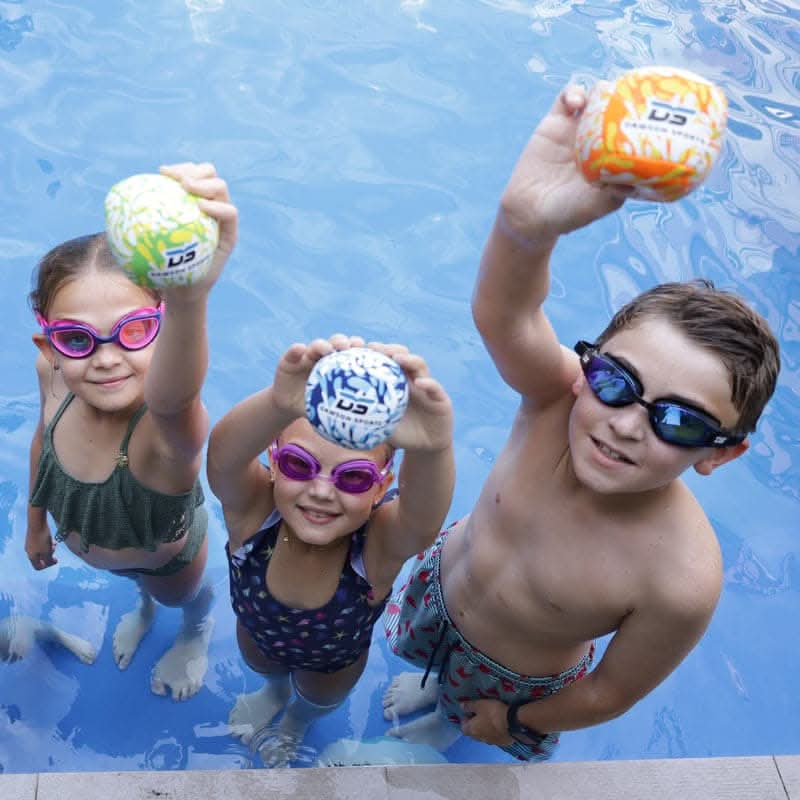


Agility training equipment helps athletes develop faster footwork, better body control, coordination and the ability to change direction efficiently. From football academies to home fitness workouts, tools such as agility ladders, training cones, hurdles, reaction balls and resistance bands make speed and agility drills easier to organise.
If you're looking to buy agility training equipment in Dubai or UAE, the best choice depends on your sport, age, training level and available space.
This guide covers the best speed and agility equipment, 10 practical drills, agility ladder exercises, and how to choose between cones and ladders.
Explore Speed & Agility Training Equipment at Athletix UAE for home workouts, school sports and professional coaching sessions.
What Is Agility Training?
Agility is the ability to rapidly change speed or direction in response to a stimulus while maintaining control of your body.
It is particularly important in football, basketball, tennis, padel, rugby and other sports requiring quick reactions and changes of direction.
Agility training combines physical movement with decision-making. For example, sprinting around cones follows a predetermined route, while reacting to a coach's signal adds a decision-making element.
What Are the 5 Components of Agility?
There isn't one universally accepted five-component model, but these five qualities are useful when planning agility training:
|
Component |
What it develops |
Example |
|
Acceleration |
Ability to increase speed quickly |
Short sprints |
|
Deceleration |
Ability to slow down under control |
Sprint and stop drills |
|
Change of direction |
Ability to turn and redirect movement |
Cone shuttle runs |
|
Balance and body control |
Stability during movement |
Single-leg landing drills |
|
Reaction and decision-making |
Response to unpredictable signals |
Reactive cone drills |
A complete agility program should develop all five rather than focusing only on moving your feet quickly through a ladder.
Best Agility Training Equipment for Speed and Coordination
Different training tools develop different movement qualities.
|
Equipment |
Best use |
Suitable for |
|
Agility ladder |
Footwork patterns and coordination |
Beginners, football and basketball |
|
Training cones |
Sprinting, turning and directional changes |
All sports |
|
Speed hurdles |
Rhythm, stepping and low-level jumping |
Football and athletics |
|
Reaction ball |
Unpredictable catching and reaction drills |
Hand-eye coordination |
|
Speed parachute |
Resisted acceleration drills |
Experienced sprinters |
|
Resistance bands |
Resisted movement and strength exercises |
Warm-ups and conditioning |
|
Agility poles |
Slalom running and directional movement |
Football and rugby |
|
Balance trainer |
Stability and controlled balance exercises |
General fitness and supplementary training |
Best overall starting combination: An agility ladder, a set of cones, and low training hurdles provide enough variety for most beginner and intermediate athletes.
Agility Ladder Exercises to Improve Footwork and Speed
An agility ladder is a portable training tool placed flat on the ground. Athletes move through its squares using different footwork patterns.
Ladder drills improve familiarity with foot placement, coordination and movement rhythm. However, faster ladder footwork doesn't automatically translate into faster sprinting or better reactive agility.
Five Effective Agility Ladder Drills
|
Drill |
How to perform |
Training focus |
|
One foot in each square |
Run forward, placing one foot in each square |
Rhythm and coordination |
|
Two feet in each square |
Step both feet into every square |
Foot placement |
|
In-in-out-out |
Step both feet inside, then outside each square |
Lateral coordination |
|
Lateral quick steps |
Move sideways through the ladder |
Sideways footwork |
|
Icky shuffle |
Alternate inside and outside steps while progressing forward |
Multi-directional coordination |
Perform each drill for two or three passes, resting enough to maintain movement quality.
For football players, combine ladder drills with a short sprint, ball control or a reactive change of direction to make the training more sport-specific.
Agility Cones vs Speed Ladders: Which Is Better for Training?
Both tools are useful, but they train different movement patterns.
|
Feature |
Agility cones |
Speed ladders |
|
Primary purpose |
Change of direction and acceleration |
Footwork coordination and rhythm |
|
Sprinting drills |
Excellent |
Limited |
|
Reactive agility |
Excellent with coach signals |
Possible with modified drills |
|
Small-space training |
Good |
Excellent |
|
Football drills |
Dribbling, turning and shuttles |
Warm-ups and footwork |
|
Best for beginners |
Yes |
Yes |
Which should you buy first? Choose cones if your priority is football agility, sprinting and change-of-direction training. Choose a speed ladder if you want structured footwork drills in a small area.
For a complete program, use both. Ladder drills can prepare athletes for movement patterns, while cone drills add acceleration, braking and directional changes.
Best Agility Training Equipment Available at Athletix UAE
These products cover different training needs and budgets.
|
Product |
Listed price |
Best use |
|
AED 32 |
Cone drills and field marking |
|
|
AED 29 |
Foot placement and coordination |
|
|
AED 120 |
Multi-directional stepping drills |
|
|
AED 111 |
Hurdle and stride drills |
|
|
AED 156 |
Football footwork and low hurdles |
|
|
AED 589 |
Slalom poles and football coaching |
|
|
AED 9 |
Unpredictable bounce drills |
Prices are listed in AED and can change. Availability varies by product; check individual listings before ordering.
Which Agility Equipment Offers the Best Value?
For beginners, the LiveUp Agility Cones Set is a cost-effective starting point. It includes 20 cones for setting up sprint, turning and obstacle drills.
The LivePro Adjustable Quick Hurdle is worth considering when you want to add low-hurdle exercises to coordination sessions.
For football coaches, the Football Flick Essentials Training Set includes three foldable slalom poles, bases and training mannequins, making it useful for dribbling, shooting and movement drills.
10 Agility Drills for Athletes Using Training Equipment
These drills can be adapted for football, basketball, tennis, rugby and general athletic conditioning.
|
Drill |
Equipment |
Training focus |
|
1. Ladder quick steps |
Agility ladder |
Foot coordination |
|
2. 5-10-5 shuttle |
Cones |
Acceleration and change of direction |
|
3. Zigzag cone sprint |
Cones |
Turning and body control |
|
4. Lateral hurdle steps |
Low hurdles |
Lateral coordination |
|
5. Reaction ball catch |
Reaction ball |
Visual tracking and reaction |
|
6. Slalom dribbling |
Agility poles, football |
Ball control while changing direction |
|
7. Mirror drill |
Cones, partner |
Reactive agility |
|
8. Resisted acceleration |
Suitable resistance band |
Acceleration mechanics |
|
9. Sprint with parachute |
Speed parachute |
Resisted sprinting |
|
10. Balance and reach |
Balance trainer |
Single-leg stability |
How to Perform the Most Effective Drills
5-10-5 shuttle: Set three cones five yards apart. Start at the middle, sprint five yards to one side, turn and run ten yards to the opposite cone, then return five yards to the middle.
Zigzag cone sprint: Place four to six cones in a staggered line. Accelerate toward each cone, lower your centre of mass and redirect your movement without losing balance.
Mirror drill: Two athletes face each other inside a marked area. One changes direction unpredictably while the other attempts to mirror their movements.
Reaction ball catch: Throw a reaction ball against a suitable wall and catch it after its unpredictable rebound. Keep the drill away from other participants and breakable objects.
Resisted acceleration: Use an appropriate resistance band with a secure partner or anchor system. Apply moderate resistance while maintaining normal sprint mechanics.
For speed drills, prioritise quality over fatigue. Perform short repetitions with adequate rest rather than turning every session into an endurance workout.
Essential Agility Equipment for Football and Sports Training
Football players need to accelerate, decelerate, turn, react to opponents and control the ball while moving.
A practical football agility training kit should include equipment for both planned drills and unpredictable match-like situations.
|
Equipment |
Football training application |
|
Agility cones |
Dribbling, sprinting and turning |
|
Speed ladder |
Footwork warm-ups and coordination |
|
Agility poles |
Slalom dribbling and directional movement |
|
Speed hurdles |
Stepping rhythm and low jumping drills |
|
Resistance bands |
Strength, activation and resisted movement |
|
Reaction ball |
Reaction and hand-eye coordination |
|
Balance trainer |
Supplementary single-leg stability |
|
Speed parachute |
Resisted sprint training for experienced athletes |
For football academies in Dubai, cones, poles and hurdles are particularly useful because coaches can rearrange them for different age groups and training objectives.
Explore Football Equipment, Football Accessories and Agility Cones.
How Can You Train Agility at Home?
You don't need a professional football pitch to improve coordination and basic change-of-direction skills.
A clear, non-slip exercise area can support ladder drills, lateral movements and short cone shuttles.
15-Minute Beginner Agility Workout
|
Exercise |
Duration or repetitions |
|
Dynamic warm-up |
3 minutes |
|
Agility ladder quick steps |
3 passes |
|
Lateral cone shuffles |
3 × 20 seconds |
|
Short shuttle runs |
4 repetitions |
|
Reaction drill with partner |
3 × 20 seconds |
|
Cool-down |
2 minutes |
Adjust the session to your available space and allow adequate recovery between faster drills.
For small Dubai apartments, use low-impact footwork patterns instead of maximal sprints or jumps. Outdoor courts and sports grounds are better suited to full-speed agility training.
Best Agility Training Equipment for Kids
Children benefit from equipment that encourages coordination, movement variety and enjoyable activities.
Low-profile cones are excellent for obstacle courses, colour-recognition games and directional drills.
Agility ladders introduce simple stepping patterns, while low hurdles can be used for controlled stepping and jumping.
Soft reaction balls and coach-directed movement games add an unpredictable element.
For younger athletes, prioritise safe surfaces, age-appropriate equipment and simple instructions rather than heavy resistance or maximum-speed drills.
Benefits of Speed and Agility Training
Regular agility training can improve several important athletic qualities.
Better change-of-direction control: Braking and turning drills help athletes practise repositioning their bodies efficiently.
Improved coordination: Ladder patterns, hurdles and cone exercises develop controlled foot placement.
Faster reactions: Reactive drills require athletes to respond to signals instead of following only predetermined routes.
Sport-specific movement: Football, basketball and racket-sport athletes can practise movement patterns relevant to competition.
Greater training variety: Cones, hurdles and resistance bands can be combined to create different workouts without large gym machines.
Agility training should complement strength, sprinting and sport-specific practice rather than replace them.
Final Verdict: Which Agility Equipment Should You Buy?
For most beginners and sports coaches, agility cones, a speed ladder and low hurdles are the best starting combination.
Football players should consider adding slalom poles for dribbling drills, while advanced athletes can incorporate reaction-training systems and suitable resisted sprint equipment.
Expert recommendation: Start with cones before investing in expensive reaction-training technology. The greatest improvements come from well-designed drills that develop braking, acceleration, direction changes and decision-making—not from the number of accessories you own.